

Please Leave Us A Message
Privacy statement: Your privacy is very important to Us. Our company promises not to disclose your personal information to any external company with out your explicit permission.
 Guangzhou Eshine-star hair beauty products co.,LTD


A professional straightening comb is an essential styling tool designed to smooth and align hair strands using heat and tension. Unlike standard combs, these tools integrate heating elements or specialized ceramic coatings to deliver consistent thermal results.
For salon professionals and beauty distributors, understanding the difference between heated straightening brushes and passive detangling combs is crucial. Heated models offer immediate smoothing and shine, while passive versions are vital for pre-styling preparation and reducing breakage during blow-drying.
Key Benefit: Choosing the right type reduces styling time and minimizes heat damage, ensuring client satisfaction and repeat business.
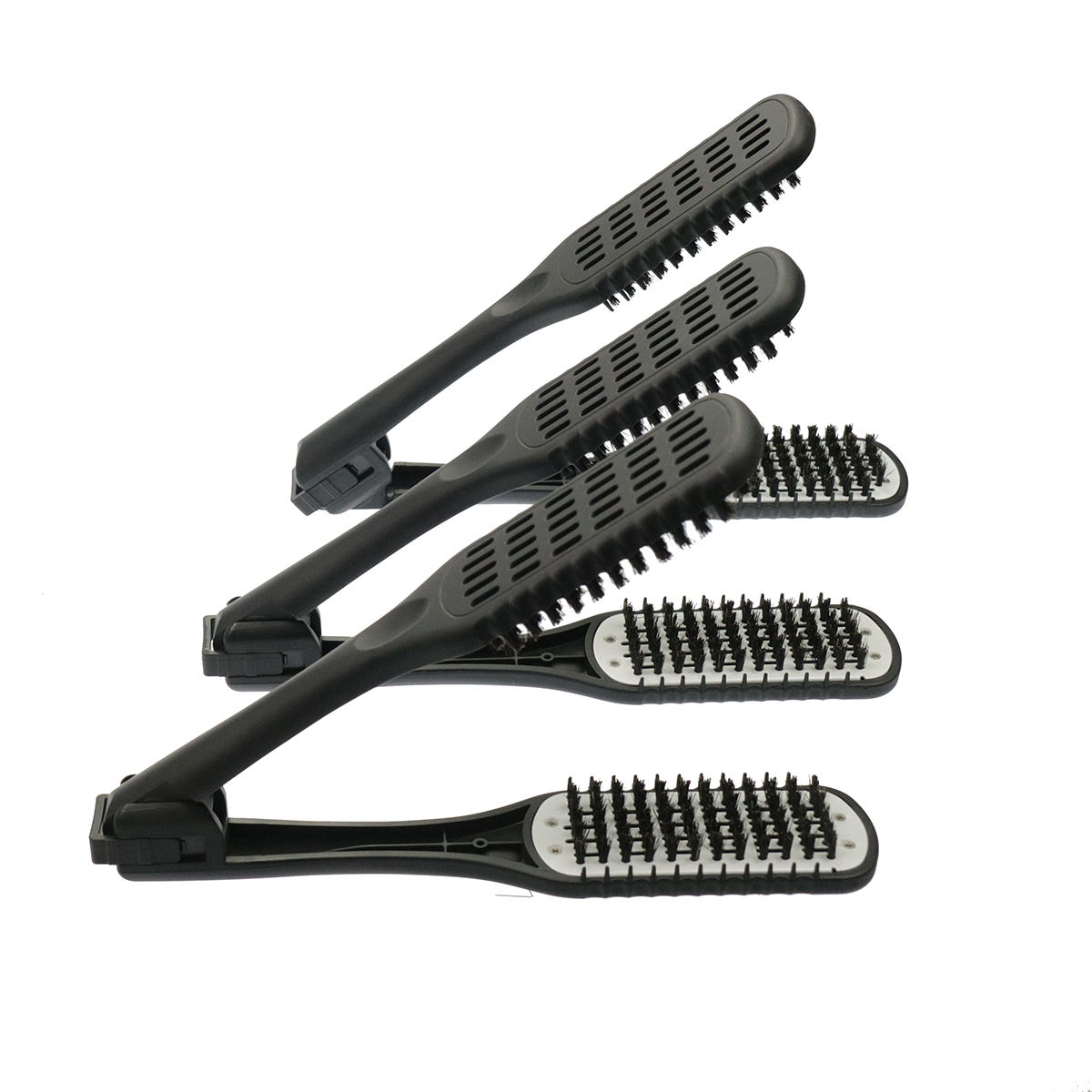
At Guangzhou Eshine-star Hair Beauty Products Co., Ltd., quality begins with raw material selection and ends with rigorous final testing. Our manufacturing process integrates advanced molding, plastic injecting, and ceramic coating technologies to ensure durability and performance.
We utilize high-grade ABS plastics and aluminum alloys for handles, ensuring heat resistance and structural integrity. Ceramic coatings on teeth provide even heat distribution and reduce static, protecting client hair during styling.
Our experienced technicians oversee every stage, from injection molding to drilling and filling. This precision ensures that comb teeth are evenly spaced and robust, preventing breakage during heavy daily salon use.
Why It Matters: Consistent manufacturing quality means lower return rates and stronger brand reputation for your business. We support this with OEM and ODM capabilities tailored to your specifications.
Selecting the correct straightening comb requires balancing technical specifications with end-user needs. Buyers must consider hair type compatibility, heat settings, and ergonomic design to ensure product success in their local market.
Decide between corded electric models for professional salons and cordless rechargeable options for travel kits. Electric models offer consistent temperature control, while cordless units provide versatility. Ensure voltage compatibility for target export regions (110V vs 220V).
Fine teeth are ideal for sleek, straight finishes, while wider spacing suits volumizing styles. Look for combs with anti-static bristles or ceramic-infused teeth to minimize frizz. The shape of the comb body should fit comfortably in the user's hand for prolonged styling sessions.
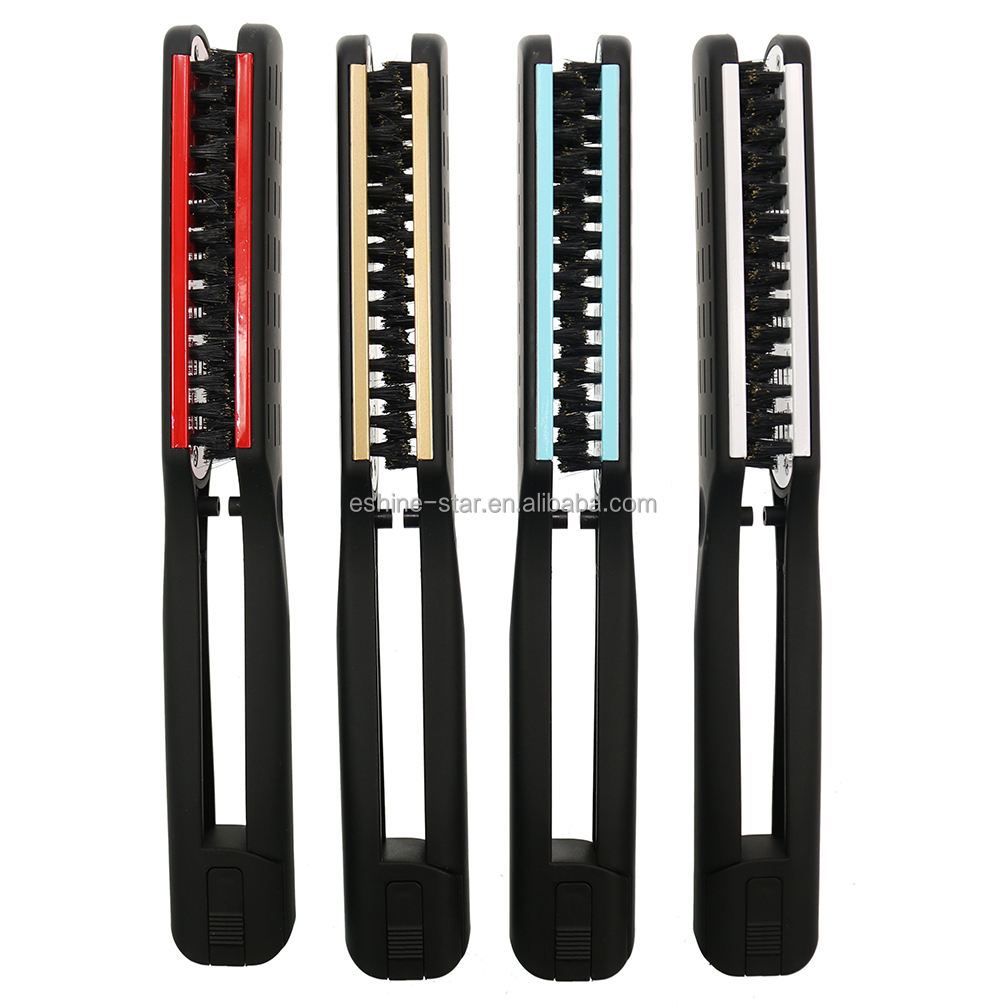
Use this checklist when evaluating suppliers and products to mitigate risk and ensure alignment with your procurement goals. Each item addresses a critical aspect of the B2B purchasing journey.
Verify CE, RoHS, or FCC certifications for electrical components to meet regional import regulations.
Request material safety data sheets (MSDS) for plastics and coatings used in direct contact with hair.
Confirm OEM/ODM flexibility: Can they customize packaging, colors, and tooth patterns for your brand?
Check lead times and MOQs. A reliable manufacturer should offer scalable production without excessive minimum orders.
Request samples to test heat-up speed, temperature consistency, and grip ergonomics.
Evaluate build quality: Check for seamless joints, durable hinges, and high-quality cord/plug connections.
Clarify shipping terms (FOB, CIF, etc.) and packaging dimensions to calculate landed costs accurately.
Ensure after-sales support policies are clear, especially regarding warranty claims for defective units.
Sourcing hair styling tools involves common pitfalls that can disrupt supply chains and damage brand reputation. Proactively addressing these issues ensures a smoother procurement process.
The Problem: Cheaper models often have hot spots that burn hair or cold zones that fail to straighten effectively.
The Solution: Specify ceramic-coated teeth and request thermal imaging reports from your supplier to verify uniformity before bulk ordering.
The Problem: Low-grade ABS plastic can warp under heat or emit unpleasant odors during initial use.
The Solution: Insist on heat-resistant, virgin ABS materials. Ask for sample usage tests to check for odor persistence after multiple heating cycles.
The Problem: Fragile cords and protruding teeth can be damaged during transit, leading to high return rates.
The Solution: Require reinforced inner packaging and drop-test reports. Consider custom foam inserts for premium lines to protect delicate components.
Straightening combs serve diverse sectors beyond traditional hair salons. Understanding these applications helps buyers identify niche markets and expand their product portfolio.
The primary market includes hairdressers seeking efficient tools for straightening, smoothing, and finishing services. High-volume salons require durable, fast-heating models that withstand daily professional use.
Consumer brands sell these tools as part of home styling kits. Marketing focuses on ease of use, portability, and hair health benefits. Bundling with heat protectant sprays increases average order value.
Compact, dual-voltage straightening combs are popular in hotel amenity programs and travel retail. They cater to guests who need versatile styling options without carrying bulky equipment.
Beauty schools use these tools for training students on proper heat application techniques. Durability and safety features are paramount in this segment to prevent accidents during learning.
When selecting a partner for straightening combs and related hair beauty products, prioritize manufacturers with integrated capabilities. A full-service provider reduces complexity and improves cost efficiency.
Look for suppliers who handle designing, molding, injecting, spraying, and assembly in-house. This vertical integration ensures tighter quality control and faster turnaround times for custom orders.
Choose partners with a history of patent acquisition. Innovative designs, such as unique tooth configurations or ergonomic handles, differentiate your products in competitive markets.
Ensure the supplier offers robust OEM and ODM services. This allows you to brand products uniquely or leverage their existing designs for rapid market entry, depending on your strategy.
Get answers to common questions about sourcing, customization, and technical specifications for straightening combs and hair beauty products.
Lead times typically range from 30 to 45 days for bulk OEM orders, depending on complexity and volume. Custom molds may add 15-20 days to the timeline. We recommend planning ahead to accommodate design approvals, sampling, and mass production phases.
Yes, our ODM services allow full customization of tooth spacing, density, and shape. We can design combs optimized for curly, wavy, fine, or thick hair textures to meet the specific needs of your target market.
Electrical straightening combs generally require CE (Europe), RoHS (material safety), and FCC (USA) certifications. For other regions, additional local standards may apply. We assist in obtaining these certifications to ensure smooth customs clearance.
Our MOQ for private labeling varies by product complexity but typically starts at reasonable levels to support growing brands. Contact us for specific quotes based on your desired volume and customization requirements.
We implement strict QC checkpoints throughout production, including raw material inspection, in-process monitoring during molding and assembly, and final random sampling before packing. Our experienced technicians oversee each step to maintain consistency.
Privacy statement: Your privacy is very important to Us. Our company promises not to disclose your personal information to any external company with out your explicit permission.
Fill in more information so that we can get in touch with you faster
Privacy statement: Your privacy is very important to Us. Our company promises not to disclose your personal information to any external company with out your explicit permission.